
Style tips for teens to build personal, school-ready outfits
Good style tips for teens should make daily dressing simpler, not more stressful. A useful teen wardrobe starts with fit, comfort, personal taste, and the routines that shape real outfits: school, activities, weather, commuting, and family expectations. Trends can be fun, but they work best when they support a style you can actually wear. This guide covers repeatable outfit formulas, wardrobe basics, color choices, accessories, grooming, and budget habits that help teens look put-together while still feeling like themselves.
Teen style is shaped by more than clothes. School dress codes, social media, sports, hobbies, climate, and changing bodies all affect what feels practical from day to day. Public guidance and research from organizations such as the CDC, Pew Research Center, and the American Academy of Pediatrics help explain why movement, confidence, comfort, and appearance pressure matter for teens. The goal is not a perfect wardrobe. It is a flexible system that makes everyday outfits easier to plan.
Start with fit before trends
The fastest way to improve an outfit is to check the fit. A simple T-shirt, jeans, hoodie, or skirt can look intentional when the proportions work. A trend piece, by contrast, can feel awkward if it pulls, slips, bunches, or limits movement.
For teens, fit can change quickly because height, body shape, and personal preferences often shift from one school year to the next. It helps to think in terms of comfort zones rather than fixed rules. Some people feel best in relaxed silhouettes. Others prefer cropped, fitted, tailored, oversized, sporty, or layered looks. The right fit should let you sit in class, walk between activities, raise your arms, carry a backpack, and move comfortably.
A quick fit check
- Shoulders: seams should sit where the garment is designed to sit, whether classic, dropped, or oversized.
- Length: tops should work with the rise of your pants, skirt, or shorts without constant adjusting.
- Waist: bottoms should stay in place without digging in or needing to be pulled up all day.
- Movement: you should be able to sit, bend, walk, and stretch without feeling restricted.
- Confidence: if you keep checking the mirror because something feels off, it may not be the best everyday choice.
This does not mean every outfit has to be polished or fitted. Oversized sweatshirts, wide-leg jeans, cargo pants, long skirts, track pants, and loose button-downs can all look strong when they are balanced with the rest of the outfit.
Build a wardrobe around real weekly life
A teen wardrobe should match the week you actually have. A closet full of statement pieces is not very useful if most days involve school, commuting, studying, practice, part-time work, clubs, or casual weekends. Before buying more clothes, look at the situations you dress for most often.
A practical wardrobe usually includes repeatable pieces that can be mixed in different ways. This does not have to be minimal or boring. It simply means your favorite items should work together instead of becoming one-time outfits.
| Situation | Useful outfit base | Style add-on |
|---|---|---|
| School day | Jeans, cargos, trousers, skirt, or uniform-friendly bottom with a comfortable top | Layered shirt, belt, hair accessory, simple jewelry, clean sneakers |
| Cold classroom or commute | Base tee or tank with hoodie, cardigan, flannel, or jacket | Beanie, scarf, textured socks, color-matched backpack detail |
| Sports or active day | Breathable top with joggers, leggings, shorts, or track pants | Zip jacket, cap, sporty watch, coordinated sneakers |
| Weekend | Relaxed denim, cargos, shorts, knit pants, or casual dress | Graphic tee, overshirt, statement bag, vintage-style layer |
| Presentation or event | Clean trousers, dark denim, skirt, dress, or neat button-up | Blazer, loafers, simple necklace, tucked top, structured jacket |
If you want more outfit inspiration, browse the Style Guides section for practical ways to combine everyday pieces.
Use outfit formulas when mornings are rushed
Outfit formulas are repeatable combinations that remove guesswork. They are especially helpful on school mornings when time is limited. A formula does not mean wearing the same thing every day. It means knowing which shapes, layers, and proportions usually work for you.
Easy formulas for everyday outfits
- Relaxed top plus structured bottom: oversized hoodie with straight jeans, cargos, trousers, or a denim skirt.
- Fitted top plus loose bottom: ribbed tee, baby tee, tank, or long-sleeve top with wide-leg jeans or parachute pants.
- Graphic tee plus open layer: band tee, sports tee, or art tee under a flannel, denim jacket, cardigan, or button-down.
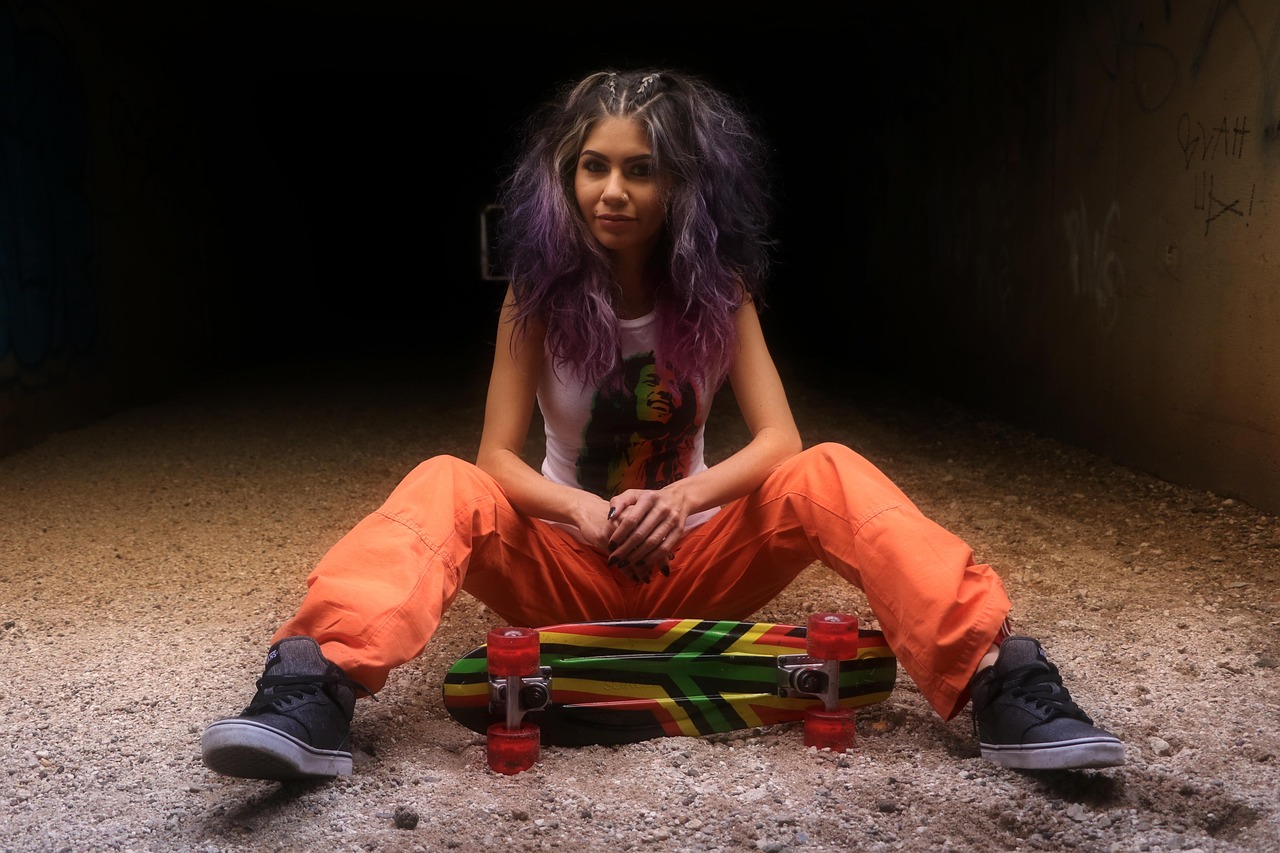
- Monochrome base plus one accent: black, gray, navy, brown, cream, or denim base with one bright accessory or shoe.
- Dress or skirt plus casual layer: casual dress or skirt with sneakers, socks, hoodie, bomber, or cropped jacket.
- Athletic base plus clean outerwear: joggers, leggings, or track pants with a neat sweatshirt, zip jacket, or varsity-style layer.
The best formula is the one you can repeat without feeling stuck. If a combination works, change one element at a time: different shoes, a new jacket, another color, a belt, or a different hairstyle.
Choose colors that make mixing easier
Color is one of the clearest ways to make outfits look intentional. Teens do not need a strict color palette, but it helps to know which colors you wear most. Start with two or three neutrals, then add two or three accent colors.
Common neutrals include black, white, gray, navy, denim blue, cream, brown, olive, and khaki. Accent colors might include red, pink, cobalt, lavender, green, yellow, orange, burgundy, or metallics. If most of your clothes share a few base colors, it becomes easier to get dressed because tops, bottoms, shoes, and layers naturally connect.
A simple color method
- Pick one base color for the largest part of the outfit, such as denim, black, gray, brown, navy, or cream.
- Add a second color through a top, jacket, or shoes.
- Use a small accent in an accessory, graphic print, sock, bag, or hair detail.
For example, light-wash jeans, a white tee, a navy zip hoodie, and red sneakers can look coordinated without feeling overplanned. A black skirt, gray sweater, silver jewelry, and burgundy bag can do the same in a softer way.
Balance self-expression with school rules
Style is a form of self-expression, but many teens also need to work around school dress codes, family preferences, religious or cultural expectations, weather, and activity requirements. Treating those boundaries as design limits can make them easier to work with.
If a school limits certain lengths, graphics, hats, straps, or footwear, focus on the elements that remain flexible: color, layering, texture, sneakers, bags, socks, hair accessories, jewelry, outerwear, and proportions. A uniform or restricted dress code can still leave room for neat grooming, polished shoes, a favorite color, a patterned layer, or a signature accessory.
Social media can make style feel public and pressured. Pew Research Center’s recent teen research has highlighted that many teens experience online pressure around appearance, posting, and social comparison. That is a useful reminder that personal style should not be measured only by likes, comments, or whether an outfit matches a viral look. A good outfit should work offline first.
Make comfort and skin health part of style
Comfort is not the opposite of style. It is one of the reasons an outfit succeeds. The CDC recommends that children and adolescents ages 6 to 17 get at least 60 minutes of physical activity daily, which makes movement-friendly clothing important for many school days. A teen outfit should allow walking, climbing stairs, carrying a backpack, sitting for long periods, and changing between activities.
Fabric matters too. Cotton, denim, fleece, jersey, knits, performance blends, linen blends, and soft synthetics all have different strengths. Breathable fabrics can feel better on warm or active days. Heavier layers can help in cold classrooms or winter commutes. Stretch can be useful, but clothing should not rely only on stretch if the cut feels uncomfortable. See also: Fashion Trends.
Skin comfort also matters. The American Academy of Pediatrics’ HealthyChildren guidance notes that pressure from tight clothing or equipment may worsen acne in some areas. That does not mean teens must avoid fitted clothing completely. It simply means that if a certain collar, strap, waistband, helmet, chinstrap, or tight layer seems to irritate skin, switching fabric, fit, or washing habits may help.
Shop with a plan instead of chasing every trend
Trend cycles move quickly, especially through TikTok, Instagram, resale platforms, and celebrity styling. Recent fashion reporting and resale trend reports have pointed to comfort, individuality, vintage influence, sporty pieces, and personal styling as major forces in youth fashion. The useful lesson is not to buy everything trending. It is to choose trends that already fit your lifestyle and wardrobe.
Before buying something new, ask three questions:
- Can I wear it with at least three things I already own?
- Does it fit my real week, or only an imagined occasion?
- Would I still like it if it were not trending?
Secondhand shopping, clothing swaps, hand-me-downs, and careful sale shopping can help teens experiment without overspending. Basics are often worth buying in reliable quality because they get repeated wear. Statement pieces can be more flexible when they connect to colors, shapes, or interests already in your wardrobe.
What to buy first
- Comfortable bottoms you can wear more than once a week.
- Clean basic tops in colors you actually like.
- One or two layers for changing weather.
- Shoes that fit your routine and can handle walking.
- A few accessories that make basic outfits feel personal.
A smaller closet that works together is usually more useful than a crowded closet full of pieces that only work once.
Develop a signature detail
A signature detail makes style feel personal without requiring a completely new wardrobe. It can be small: silver jewelry, colorful socks, a favorite hoodie shape, clean sneakers, layered necklaces, a cap, a certain color, a vintage jacket, a neat tuck, a watch, a tote bag, or a hairstyle.
This is especially helpful for teens who are still experimenting. You can try different aesthetics while keeping one familiar detail that makes the outfit feel like you. Someone might mix sporty, preppy, streetwear, soft, minimalist, vintage, or artsy pieces, but always wear the same style of sneakers or jewelry. That consistency creates identity.
Personal style develops through repetition. Take a quick mirror photo when an outfit works, not necessarily to post, but to remember combinations you liked. Over time, patterns appear: favorite fits, colors, fabrics, shoes, layers, and details. Those patterns are more useful than copying a trend exactly.
Frequently asked questions
How can teens look stylish without spending a lot?
Start by restyling what you already own. Try new combinations, cuff pants, layer shirts, change shoes, tuck or untuck tops, and add accessories. Then shop only for gaps that would make several outfits better, such as a versatile jacket, comfortable jeans, or neutral sneakers. Secondhand stores and clothing swaps can also make experimentation more affordable.
How many clothes does a teen really need?
There is no universal number. A useful closet should cover school days, active days, weather changes, laundry timing, and occasional events. If most pieces can be worn in several combinations, you need fewer items. If many pieces only match one outfit, the closet may feel full but still be hard to use.
How can I find my personal style as a teen?
Pay attention to outfits that make you feel comfortable and confident. Save inspiration, but look for patterns rather than copying everything. Notice repeated colors, fits, shoes, layers, and accessories. Then test one new element at a time so your style grows naturally.
What should teens avoid when choosing outfits?
Avoid clothes that make you feel physically uncomfortable, require constant adjusting, break school rules you must follow, or are bought only because of pressure. Also be careful with trend pieces that do not match anything else in your closet. The strongest outfits usually balance personality with practicality.
Can school dress codes still allow personal style?
Often, yes. Even when rules limit certain clothing, teens can usually express style through color, fit, layering, shoes, bags, hair, socks, jewelry, or neat grooming. The key is to understand the rules first, then use the flexible areas creatively.
The bottom line on teen style
The best style tips for teens are practical, personal, and flexible. Start with fit, comfort, and real routines. Build outfit formulas that save time. Use color to make clothes easier to mix. Respect dress codes where needed, but keep space for personality through details, layers, and accessories. Trends can inspire you, but they should not decide everything for you.
Teen style does not have to be expensive, perfect, or fixed. It can change as your interests, body, schedule, and confidence change. A good outfit helps you move through the day, feel like yourself, and spend less time worrying about what to wear.