
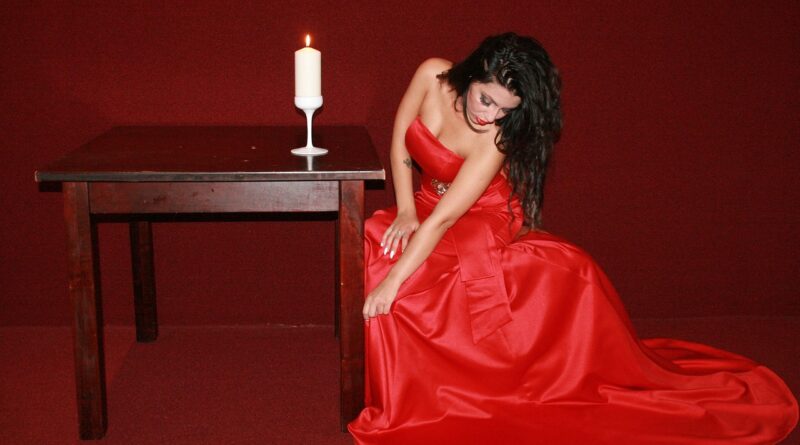
How to choose elegant long evening dresses for formal events
What makes a long evening dress look elegant
Elegant long evening dresses are not defined by price, heavy sparkle, or a dramatic train. The best choices look appropriate for the event, fit cleanly through the bodice and hem, move comfortably, and use fabric that keeps its shape under evening lighting. For black-tie weddings, galas, awards dinners, formal banquets, and upscale receptions, a floor-length or ankle-sweeping dress is usually the safest starting point. The aim is to look polished without competing with the host, the bride, or the setting.
Treat an evening dress as a complete decision, not a single garment purchase. Dress code, venue, fabric, silhouette, color, alterations, shoes, and care requirements all affect the result. A gown that looks beautiful online can disappoint if the hem is hard to manage, the lining clings, the fabric wrinkles quickly, or the care label makes it impractical to rewear. This guide explains how to choose a refined long dress that feels formal, wearable, and worth keeping beyond one event.
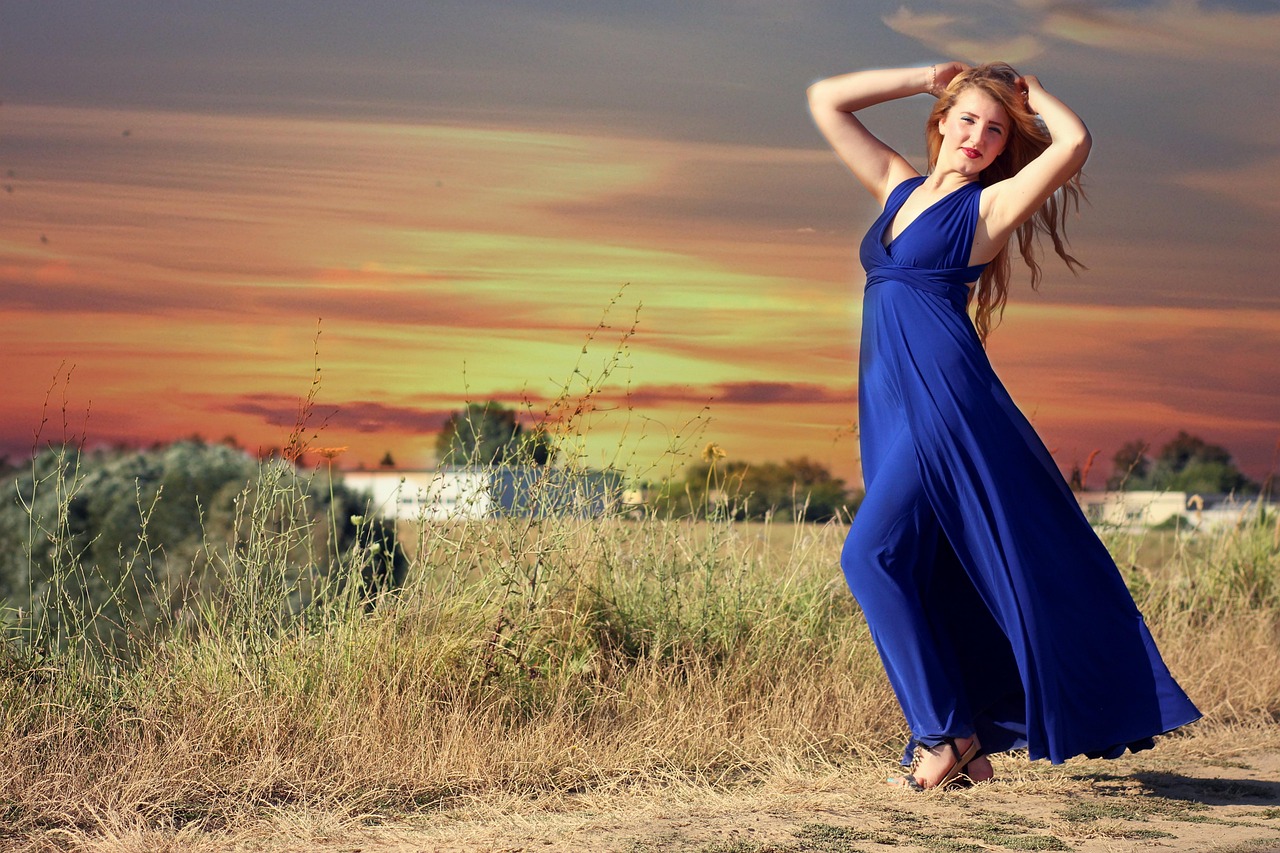
Match the dress to the invitation, venue, and season
Start with the wording of the invitation. Etiquette references such as the Emily Post Institute describe black tie as more formal than business attire and commonly list a floor-length evening gown among appropriate options for women, while also allowing some dressy cocktail choices. Fashion editors often interpret black tie more conservatively, especially for weddings and galas, where a long gown is the least risky choice. The practical takeaway is straightforward: when the event is clearly formal and you are unsure, choose long, polished, and restrained rather than short, casual, or overly revealing.
A long dress is not automatically formal. A jersey maxi dress, beach print, or casual sundress shape may still read relaxed even if it reaches the floor. Formality comes from the total effect: fabric weight, cut, finishing, lining, neckline, accessories, and grooming.
| Event wording | What to choose | What to avoid |
|---|---|---|
| White tie | A full-length evening gown with the most refined styling you own; gloves may be appropriate depending on the event | Cocktail dresses, casual fabrics, clubwear details, or informal prints |
| Black tie | A floor-length gown, elegant column dress, formal A-line gown, or very polished long dress | Anything that looks like a daytime maxi dress or lacks structure |
| Black tie optional or formal | A long gown is a safe choice; a dressy midi may work if the venue is less formal | Overly casual cotton, thin jersey, or beachy styling |
| Gala, benefit, or awards dinner | A long dress with elevated fabric, clean tailoring, and controlled shine | Looks that rely only on sequins without good fit or finishing |
| Garden, beach, or destination formal | A long dress in lighter fabric with practical shoes and a hem that will not drag | Heavy velvet in heat, long trains on grass, or fragile hems on sand |
Season matters, but it should not override the dress code. Velvet, mikado, heavy satin, and long sleeves often suit cooler months. Chiffon, georgette, crepe, and lighter satin can work for spring and summer if the lining is not too sheer. For outdoor events, check the ground surface before choosing a train, stilettos, or a very pale hem.
Choose silhouette, fabric, and color as one decision
Silhouettes that feel refined rather than forced
The most elegant silhouette is the one that supports your posture and lets you move naturally. A dress that photographs well while standing still but makes it difficult to sit, walk, or dance will feel less sophisticated in real use.
- A-line gowns are versatile because they define the waist and skim the hips without clinging. They work well for weddings, banquets, and formal receptions.
- Column and sheath dresses create a clean vertical line. They look modern and understated, but the fit through the hips and thigh area must allow movement.
- Empire waist gowns can feel soft and graceful, especially in chiffon or crepe, but bust fit and fabric quality are crucial.
- Mermaid and trumpet gowns deliver drama. They need excellent tailoring and enough flare below the knee for comfortable walking.
- Ball gowns are highly formal and photo-friendly, but they can overwhelm smaller venues or events described only as formal rather than black tie.
If you are between sizes, prioritize the fit at the largest fixed point of the body, usually the bust, waist, or hips depending on the cut. Many gowns can be taken in, shortened, or adjusted at the straps, but letting out tight seams is often limited by the available seam allowance.
Fabric changes the whole message
Fabric determines how a gown reflects light, wrinkles, drapes, and holds up through a long evening. When shopping online, zoom in on close-up photos, look for lining information, and check whether the fabric has stretch. If possible, review customer photos to see how the textile behaves away from studio lighting.
| Fabric or finish | Why it works | What to check |
|---|---|---|
| Satin | Reflects light beautifully and feels classic for evening | Can highlight wrinkles, pulls, and fit issues; thicker satin usually looks more polished |
| Crepe | Matte, elegant, and often flattering for simple silhouettes | May cling if the lining is poor or if the dress is too tight |
| Chiffon or georgette | Soft, romantic, and comfortable for movement | Needs good lining and careful hemming; can snag easily |
| Velvet | Rich texture and depth, especially for fall and winter | Can be warm, crush-sensitive, and harder to press at home |
| Lace | Adds texture and formality without relying on shine | Look for refined edges, secure appliqués, and a lining that does not cheapen the effect |
| Sequins or beading | Creates evening impact for galas and celebrations | Weight, scratchiness, shedding, repairability, and whether the embellishment sits smoothly |
Colors and details that stay elegant
Black, navy, deep green, burgundy, espresso, champagne, silver, and muted jewel tones remain dependable because they photograph well and can be repeated across events. Pastels can look graceful for spring, but very pale shades require extra care at weddings so they do not appear bridal. Unless the host explicitly requests it, avoid white, ivory, and cream for most weddings.
Seasonal color reports, including runway-based reports from Pantone, can be useful for inspiration, but a formal dress should not depend entirely on a short trend cycle. If you want a current color, consider a timeless silhouette. If you want a trend-forward silhouette, keep the color quieter. This balance helps the dress feel relevant now without becoming difficult to rewear.
Necklines should suit both the event and your comfort level. Off-the-shoulder, halter, square, V-neck, bateau, and one-shoulder styles can all look elegant when the fit is secure. The more dramatic the neckline, slit, open back, or embellishment, the more important it is to keep the rest of the styling controlled.
Check fit, construction, and comfort before checkout
A formal dress purchase should include a movement test, not just a mirror test. If you are trying on in store, bring or wear similar undergarments and the heel height you plan to use. If you are ordering online, confirm the return window before removing tags or scheduling alterations.
- Sit test: Sit down for several minutes. The dress should not crush uncomfortably, ride up too high, or pull sharply across the hips.
- Stride test: Walk normally, climb a few stairs, and turn. A narrow hem or tight lining can make a beautiful dress impractical.
- Arm test: Raise your arms slightly as if greeting someone, holding a drink, or dancing. Straps and sleeves should stay secure.
- Lighting test: Check the dress in daylight and indoor evening light. Some fabrics become sheer, overly shiny, or flat under different lighting.
- Undergarment test: Confirm that bra straps, shapewear edges, and seams do not show through the fabric.
- Heel and hem test: Put on the shoes you plan to wear before judging length. The front hem should skim close to the floor without becoming a trip hazard.
Construction details separate a refined gown from a one-night costume. Look for smooth lining, straight seams, secure zippers, balanced side seams, well-finished hems, and embellishments that are firmly attached. On strapless or structured gowns, internal support matters more than visible decoration. A beautiful bodice should not require constant pulling or adjusting.
Alterations are normal for eveningwear. Hemming, strap shortening, waist adjustments, and minor bodice shaping can make a mid-priced dress look more expensive. Plan time for alterations before the event, especially during prom, wedding, and holiday seasons when tailors are busy. See also: Fashion Trends.
Read labels and plan aftercare before you buy
Care and fiber labels are part of the value decision. In the United States, the Federal Trade Commission requires most textile and wool products to carry labels listing fiber content, country of origin, and the manufacturer or another responsible business. The FTC Care Labeling Rule also requires manufacturers and importers to provide care instructions for garments. For shoppers, the label is not decorative information; it affects maintenance, cost, and longevity.
A dress marked dry clean only may still be worth buying for a major event, but the cleaning cost should be included in your real budget. Beaded, sequined, velvet, silk, and structured gowns often need professional care. If you travel with the dress, consider how easily it wrinkles and whether the fabric can be steamed safely. Some satins water spot, some embellishments cannot tolerate heat, and some pleats lose shape if handled incorrectly.
Material choice also matters for shoppers who care about reuse and responsible buying. Textile Exchange reported in 2026 that global fiber production reached 139 million tonnes in 2025, with polyester remaining the most widely produced fiber at 59 percent of global output. The same reporting noted that recycled polyester remained a small share of overall polyester production, and textile-to-textile recycling was still very limited. For evening dresses, this does not mean polyester is automatically poor quality; many formal fabrics are polyester because they hold color, structure, and shine. It does mean shoppers should avoid vague assumptions and read the exact label, construction, and care requirements.
The most sustainable evening dress is often the one you will actually rewear, alter, lend, resell, or care for properly. A versatile long gown in a strong color and clean silhouette can serve multiple events with different styling: metallic sandals and earrings for a gala, a wrap and closed-toe heels for a winter wedding, or minimal jewelry and a sleek clutch for a formal dinner.
A practical shopping checklist
Before buying, decide whether the dress is for one specific event or for a small formal wardrobe. A one-event dress can be more theme-driven. A repeat-wear dress should be easier to restyle, less fragile, and less dependent on a memorable print or extreme detail. For more clothing decision frameworks, browse the Shopping Guides section.
- Confirm the dress code, time, venue, and weather before choosing fabric or sleeve length.
- Choose the silhouette according to movement and comfort, not only photos.
- Check whether the color is appropriate for the event, especially for weddings and cultural celebrations.
- Read the full fabric content, lining details, closure type, and care instructions.
- Budget for alterations, cleaning, shoes, undergarments, jewelry, and a wrap or coat if needed.
- Review the return policy before ordering multiple sizes or colors.
- Try the dress with the exact shoes and undergarments before the final decision.
- Take quick front, side, and back photos in natural and indoor light to see what others will see.
If two dresses are close, choose the one with better fit and fabric rather than the one with more decoration. Elegance usually comes from proportion, comfort, and restraint. A simple crepe column gown that fits beautifully will often look more polished than a heavily embellished dress with poor lining or an awkward hem.
Frequently asked questions
Are long evening dresses required for black tie?
A floor-length gown is the safest and most traditional choice for black tie, especially for weddings, galas, and formal dinners. Some etiquette references allow dressy cocktail options, but if the host, venue, or time of day suggests high formality, long is usually the more confident choice.
What fabric looks most elegant for a long evening dress?
No single fabric is always the most elegant. Satin gives shine, crepe gives a clean matte line, chiffon adds movement, velvet feels rich in cooler weather, and lace adds texture. The best option depends on the dress code, season, fit, and how much care the fabric requires.
Can I wear black to a formal wedding?
In many modern formal weddings, black is acceptable and often looks polished. However, always consider the couple’s culture, venue, and stated dress code. Avoid white, ivory, or anything that could read as bridal unless the invitation specifically requests it.
How long should a gown be with heels?
The front hem should usually skim close to the floor while allowing you to walk without stepping on it. Hem the dress after choosing your shoes. If the event involves stairs, grass, or dancing, avoid a hem or train that requires constant management.
How can I make a simple long dress look more formal?
Tailoring is the first step. Then add refined accessories: evening shoes, a structured clutch, jewelry that matches the neckline, polished hair, and a wrap or coat that suits the dress. A simple gown becomes formal when every supporting detail looks intentional.